


Japanese Anemone
Japanese Anemones for the UK: elegant late-summer showstoppers
Japanese Anemones bring a serene, graceful beauty to the British garden, just as many borders begin to lose their lustre. Blooming from mid- to late summer and well into autumn, these Anemones enhance your planting scheme with soft colour, gentle movement, and long-lasting flowers. If you're looking to create a more layered, established garden without the need for constant replanting, this is one of the most rewarding choices you can make.
At DutchGrown, we've been working with premium Anemones for generations. We specialise in top-quality, large-sized bare roots selected for strong performance in real gardens. Explore our collection and discover how to choose the right Japanese Anemone varieties, where they thrive, and how to support their growth throughout the season.
Showing 1 - 7 in 7 items
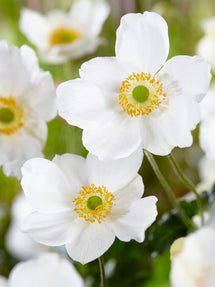
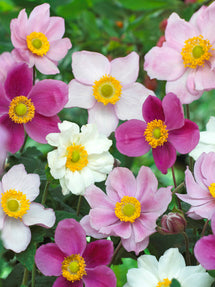
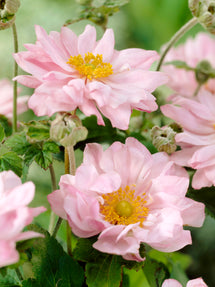
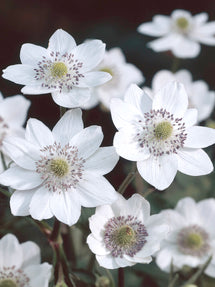
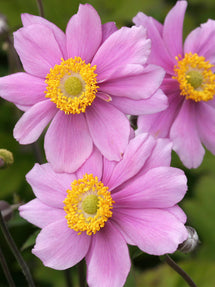
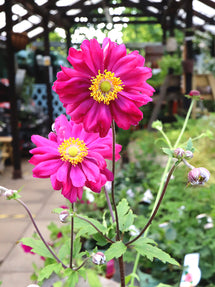
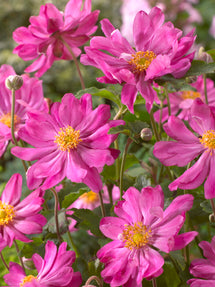
What are Japanese Anemone plants? Graceful blooms for the late season
Japanese Anemones are popular, easy-to-grow herbaceous perennials cherished for their late-season blooms. They produce elegant, open-faced blooms in shades of white, pink, and lavender, often with a golden centre that catches the eye without overwhelming the rest of your planting.
What makes them particularly valuable is their timing. Japanese Anemones are praised for adding late interest to borders long into autumn. They provide fresh interest in mixed borders, cottage gardens, woodland settings, and naturalistic schemes—without the need to constantly replace seasonal colour.
What is the origin of Japanese Anemone?
The common name ‘Japanese Anemone’ can be slightly misleading. These plants were originally introduced to Japan from a province in China, and many of the popular garden varieties seen today are in fact hybrid cultivars. As a result, they are sometimes referred to as Chinese Anemones, though their Japanese name is more widely known.
From Anemone Hupehensis to Tomentosa
Although Japanese Anemone plants were traditionally classified within the genus Anemone, many taxonomists have more recently reclassified them under the genus Eriocapitella. This group includes several species and hybrids, such as Hupehensis, × Hybrida, Japonica, and Tomentosa.
Delicate petals, rugged roots: key characteristics of the Japanese Anemone
Japanese Anemone plants may appear delicate, but they grow with the confidence of plants that know exactly what they're doing. Once established, they are long-lived, low-maintenance, and highly reliable performers in the late-season garden.
Flowering from mid- to late summer and well into mid-autumn, Japanese Anemones bring fresh colour just as many perennials are finishing. Their tall, slender flower stems create a light, airy feel, while their soft single, semi-double, or double blooms—appearing in shades of white, pink, or purple, add a touch of elegance to any setting.
These perennials are perfect for filling gaps in borders, brightening shaded corners, or naturalising in woodland areas. Their gradual spread makes them ideal for creating drifts of colour, though this may need to be managed in smaller gardens.
How tall do Japanese Anemones grow?
Most Japanese Anemone plants reach 75-150 cm in height, depending on the variety and growing conditions. Their height makes them well-suited to the middle or back of a border, where their flowers can rise above lower plantings, creating a relaxed, layered effect.
From shaded borders to cottage gardens: who should grow Japanese Anemones?
Japanese Anemones are attractive, tall plants ideal for the back of a border, and continue flowering well into autumn. They’re an excellent choice if you’re looking for:
- A late-season boost, just as other plants begin to fade.
- A perennial that complements mixed borders, cottage gardens, and woodland settings.
- A low-maintenance plant you can rely on year after year.
- A companion for ferns, ornamental grasses, and other shade-tolerant plants.
Japanese Anemone varieties: from Queen Charlotte to Prince Henry
Japanese Anemones offer great versatility in garden design. You can select varieties based on colour, flower form, and how quickly you'd like the plant to spread. Popular varieties include 'Honorine Jobert' (white), 'Königin Charlotte' (pink), 'Pamina' (deep pink), and 'Wild Swan' (white with blue streak). At DutchGrown, you’ll find a beautiful collection of Japanese Anemones, including:
- Japanese Anemone ‘Prince Henry’: This striking variety produces elegant, semi-double flowers with narrow, purplish-red petals arranged in overlapping layers. The blooms are carried on slender, wiry stems above attractive, divided foliage.
- Japanese Anemone ‘Queen Charlotte’: A charming autumn-flowering variety with semi-double, open pink blooms that typically reach a height of 100 to 150 cm.
- Japanese Anemone ‘Honorine Jobert’: An award-winning perennial that bears a profusion of pure white flowers on graceful, branching stems. This white Anemone rise above a dense clump of deeply cut, dark-green leaves, offering a classic, refined presence in the garden.
Can’t decide which variety to go for? Try the Japanese ‘Anemone Mix’, a delightful blend of colours to bring soft, late-season elegance to your borders.
How to plant and grow Japanese Anemones
You can feel the joy when growth appears. They are suitable for the UK and establish best when planted in spring. Spring planting allows the roots to settle in well before the flowering season. Here’s how to plant and grow Japanese Anemones into full bloom:
- Choose the right spot: Aim for partial shade and rich, well-drained soil. They can also tolerate full sun, provided the soil remains consistently moist. Avoid deep shade.
- Soil type: A position with sandy loam, clay, or soil improved with multipurpose compost works well. Good drainage is essential for Japanese Anemones, as their roots may not survive winter with wet feet.
- Plant in spring: Spring is the best time to plant, giving the roots time to establish before summer flowering. Plant at a depth of around 2–3 cm, and space plants approximately 60–75 cm apart.
- Watering: Water well during dry spells, especially young plants in the first year. Japanese anemones do not tolerate prolonged dry conditions.
- Maintenance: Deadhead spent blooms to encourage further flowering. Cut back the foliage to ground level in late autumn, or wait until early spring to tidy the plants before new growth begins.
Japanese Anemones for sale at DutchGrown
A thriving garden begins with quality plants. At DutchGrown, we carefully select premium, top-sized bare roots with the same dedication we've been known for since 1882. Buy Japanese Anemone from us and choose varieties that suit your garden style, then grow your new plants with confidence. With the right location and a simple care routine, you’ll enjoy elegant blooms from mid- to late summer, continuing well into autumn.
Looking for more Anemones? You’ll also find spring-planted Anemones and autumn-planted Anemones available in our online shop.
Frequently asked questions about Japanese Anemone
How invasive is Japanese Anemone?
Japanese Anemones are considered moderately invasive, as they spread by self-seeding and through underground rhizomes. These hardy perennials can quickly take over garden beds and outcompete more delicate plants if not managed carefully. To keep them in check, gardeners are advised to use root barriers, grow them in large containers, or routinely thin out new shoots to maintain clear boundaries.
Do Japanese Anemones like sun or shade?
Japanese Anemones prefer full sun to partial shade and thrive in fertile, well-drained soil. They can tolerate full sun as long as the soil remains consistently moist. They grow well in sandy loam, clay, or soil improved with multipurpose compost.
Where is the best place to plant Japanese Anemones?
Japanese Anemones thrive in partial shade and rich, well-drained soil. They can also tolerate full sun, provided the soil remains consistently moist. A spot in dappled light prevents foliage burn and extends the blooming season from late summer through autumn.
How do you take care of Japanese Anemones in the winter?
In winter, you should deadhead the spent blooms of Japanese Anemones to encourage further flowering. Cut back the foliage after the first frost in late autumn or in early spring, before new growth begins.