


Phlomis (Jerusalem Sage)
Bring architectural interest to your UK summer garden with Phlomis
Phlomis is a resilient herbaceous perennial that lends your garden a commanding presence throughout the year. While many plants fade away, the structural seed heads of this species provide a striking silhouette even in the depths of winter. Originating from the sun-drenched Mediterranean, these plants have evolved into a sophisticated staple for modern gardeners who value form as much as colour.
Whether you are looking to introduce vertical drama or establish reliable plants, Phlomis offers exceptional architectural interest. Explore our selection of premium Jerusalem Sage bare roots and begin transforming your garden into a structural masterpiece.
Showing 1 - 2 in 2 items
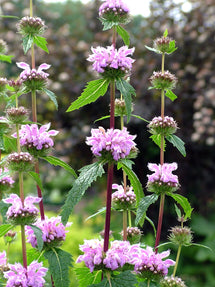

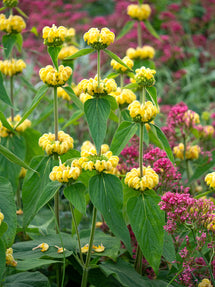
Velvety foliage meets hooded flowers: the key characteristics of Phlomis
The Phlomis plant is instantly recognisable for its distinctive botanical structure. Its unusual flowers grow in tiered whorls along sturdy, upright stems, blooming throughout the summer. These hooded blooms create a vertical rhythm that few other plants can match.
Complementing the flowers is the plant’s remarkable foliage. The leaves are often covered in fine hairs, giving them a soft, velvety texture reminiscent of sage-leaved mullein. Interestingly, the name ‘Phlomis’ derives from the Greek word for flame.
From gravel gardens to wildlife havens: is Phlomis right for you?
Phlomis is an exceptionally versatile plant that thrives where others might struggle. It is an ideal choice for those looking to create a low-maintenance yet visually rich garden.
- Drought-tolerant excellence: As a drought-tolerant species, Phlomis performs well in full sun and well-drained soil. Once established, it requires very little additional watering, making it particularly well-suited to gravel gardens.
- A magnet for pollinators: The nectar-rich blooms provide a valuable resource for wildlife. You will find that your garden becomes a lively hub for bees, butterflies, and other pollinators throughout the growing season.
- Low-maintenance appeal: One of the greatest advantages for gardeners is that Phlomis is easy to grow. Its striking form, combined with its ability to suppress weeds through its spreading foliage, makes it a practical as well as beautiful addition to the garden.
Exploring the varieties: From Phlomis Russeliana to Phlomis Tuberosa
Choosing the right Phlomis plant depends on the height and colour palette you wish to achieve. While some species grow as evergreen shrubs, others are herbaceous perennials that bring seasonal interest to your borders.
- Phlomis Tuberosa ‘Bronze Flamingo’: Sturdy, upright stems, tinged with reddish-purple, bear intermittent whorls of blossoms. These delicate flowers range in colour from mauve-pink to lilac.
- Phlomis Russeliana: This species is prized for its striking, silvery-green foliage, which forms a dense, low-growing rosette of soft, felted yellow leaves. This texture and contrast make it an excellent choice for borders or naturalistic planting schemes.
The herbaceous varieties are valued for how they die back in autumn, allowing their dried, skeletal forms to be appreciated in the frost before new growth emerges in spring.
Your guide to planting and establishing Phlomis
To ensure your plant reaches its full potential, proper positioning and initial care are essential. Phlomis is a hardy choice for a range of climates, including many regions across the UK.
- Time: The best time to plant your Phlomis bare roots is in spring, after the last frost has passed, ideally, in March or April.
- Position: The ideal position is in full sun, though they tolerate partial shade, especially in hotter summers.
- Soil: Phlomis requires free-draining soil that does not retain excess moisture, especially during the winter months. If your soil is heavy clay, improve drainage by incorporating grit to help prevent root rot.
- Planting: Dig a hole twice the size of the root ball. Position the bare root at a depth of approximately 2.5 cm.
- Maintenance: These plants are easy to care for. Simply cut back dead stems in late winter or early spring to encourage fresh growth.
Top-quality Jerusalem Sage bare roots for sale at DutchGrown
Ready to create a beautiful summer garden? At DutchGrown, you'll find only top-quality Phlomis bare roots, ensuring your plants have the best possible start. By choosing bare roots, you allow each specimen to establish a deep, resilient root system directly in your soil during its first growing season.
We carefully manage our shipping schedules so that your plants arrive at the optimal time for planting in your specific climate. Invest in the long-term architectural beauty of your garden. Choose your favourite Jerusalem Sage plants from our carefully selected collection and discover the difference that over a century of Dutch horticultural expertise can bring to your garden. We ship throughout the United Kingdom.
Frequently asked questions about Phlomis
Do Phlomis like sun or shade?
Phlomis thrives best in full sun, reflecting the bright, dry conditions of its native Mediterranean habitat. While it can tolerate partial shade, particularly in regions with intense summer heat, a sunny position will encourage stronger stems and more prolific flowering.
Does Phlomis spread?
Phlomis is a well-behaved, clump-forming perennial that spreads gradually through its root system while suppressing weeds. Some varieties may self-seed in favourable conditions. You can easily manage its spread by deadheading spent flowers after the growing season or by dividing established clumps in early spring.
What is the common name for Phlomis?
The most common name for Phlomis is ‘Jerusalem Sage’. This name derives from its soft, velvety foliage, which closely resembles sage leaves. While some varieties are also referred to as ‘Turkish sage’, particularly Phlomis russeliana, the name ‘Jerusalem Sage’ remains the most widely recognised among gardeners seeking this architectural plant.
Is Phlomis deer-resistant?
Phlomis is deer-resistant. Its leaves are covered in fine, woolly hairs, creating an unappealing, fuzzy texture for grazing animals. This characteristic, combined with its aromatic qualities, makes it an excellent choice for gardeners looking to protect their gardens from wildlife damage.